Hand protection
Your hands are essential: without them, it is impossible to carry out your tasks effectively and safely. Their protection is vital to prevent injuries, cuts, burns, disorders, or irritations that can occur daily in your profession.
However, it is not just about protecting against immediate accidents. In France, 87% of recognised occupational diseases are Musculoskeletal Disorders (MSDs). These disorders primarily affect the muscles, tendons, and nerves of the upper limbs. They are often linked to repetitive movements or constrained postures. This is why the majority of products are designed to ensure good freedom of movement.
Wearing gloves that comply with standards and have clear markings contributes to ensuring your comfort and safety. Rubix offers suitable hand protection solutions that help reduce all the risks associated with your profession.
The Different Types of Hand Protection Offered by RUBIX- General Handling Gloves: These provide excellent support and ensure a good grip on objects. Equipped with reinforced seams or protective cuffs, they ensure safety while remaining comfortable and flexible. Often made from durable materials such as nylon, leather, or with nitrile and polyurethane coatings, they are suitable for many environments.
- Fine Handling Gloves: Designed for tasks requiring high precision, they offer superior tactile sensitivity and can be adapted for dry, greasy, and/or oily environments. They are made from soft materials such as polyamide, nylon, or microfiber and can be coated with PVC, polyurethane, or nitrile to enhance their grip and durability.
- Chemical Resistant Gloves: Developed to protect hands from burns, dermatoses, irritations, or poisoning caused by chemicals. They are primarily made from materials like nitrile, latex, or PVC and are used in automotive, research, and chemical industries. Protection characteristics are defined by the EN 374 standard.
- Cut-Resistant Gloves and Sleeves: These provide high protection for hands and arms against cutting risks. They are designed with technical fibres capable of resisting the passage of a straight blade, such as a knife or cutter. Their performance is evaluated according to the EN 388 standard for mechanical risks. The ISO 13997 test measures cut resistance, with a rating from A to F, F representing the highest level of protection.
- Thermal Protection Gloves: Essential for activities exposing hands to extreme temperatures, whether from intense heat or prolonged cold. Cold-resistant models, suitable for logistics and the food industry, ensure waterproofing and insulation through materials like leather, technical textiles, or wool, often lined with merino, cashmere, or fleece, and can be coated to resist water and snow.
- Heat-Resistant Gloves: Capable of withstanding temperatures up to 350 °C, they combine protection and comfort with materials such as nitrile or cotton. Finally, welding gloves provide optimal resistance against heat, flames, metal splashes, and mechanical risks, thanks to their design in full-grain leather, split leather, or Nappa leather.
- Electrician Gloves and Sleeves: Protect against electric shocks for electricians in construction, industry, energy, telecommunications, etc. Some models feature coated palms for better grip. These work gloves are made from insulating materials such as Kevlar, acrylic, latex, or carbon fibre.
- Anti-Vibration Gloves: Designed for users of vibrating machines or tools. Made from materials like microfiber, polyester, or cotton, they allow safe working while limiting fatigue and Musculoskeletal Disorders (MSDs).
- Anti-Shock Gloves: Also known as impact-resistant gloves, these are designed for workers using hammers or handling heavy loads. They provide effective protection against impacts and crush injuries. Their design uses high-performance materials such as nitrile foam, thermoplastic elastomer, polyvinyl chloride, or vulcanised thermoplastic.
- Firefighter Gloves: Highly resistant to heat and flames, they are made from water-repellent full-grain leather. They feature tightening straps, cuffs, and double-stitched seams with para-aramid thread.
- Needle-Resistant Gloves: Designed to protect against needle or syringe punctures. They incorporate additional protection at the palm and underside of the fingers. These gloves can be made from latex, para-aramid, cotton, polyurethane with ceramic coating, or even metal mesh.
- Liquid Gas Handling Gloves: Created to withstand very low temperatures, such as when handling liquid nitrogen. They effectively protect against cold-related burns due to their design in full-grain bovine leather and their lining in wool or cotton. Equipped with a cuff, they offer protection and comfort for interventions in cryogenic environments.
Depending on your professional activity:
- Mechanics, electricians, frozen goods order pickers, welders, etc. All must protect their hands, but each profession imposes different requirements. This is why Rubix offers a wide range of protective gloves suitable for each use and environment.
Compliance with Personal Protective Equipment Standards: Each glove complies with the EN ISO 21420 standard for general design, followed by specific standards such as EN 511 (cold), EN 388 (mechanical risks), or EN 407 (heat), for example.
Gauge: The gauge of a glove indicates its fineness and dexterity. It corresponds to the number of needles present on an English inch (2.54 cm) of a knitting machine. Only seamless knitted work gloves display this number, which allows for a quick assessment of their precision level.
Good to Know: Today, we generally find gauges of 7 - 10 - 13 - 15 and 18 for knitted gloves.
Size: Wearing ill-fitting gloves reduces sensitivity and dexterity. To ensure comfort and protection, it is essential to choose the right size. Measure the width of your palm between the base of the index finger and that of the little finger: 8 cm corresponds to size 8 (M) and 9 cm to size 9 (L).
Maintaining Your Protective GlovesMaintaining work gloves is essential to preserve their performance and maximise their durability. Made from technical fibres resistant to abrasion, cuts, or tears, some models can be machine washed or sent to a professional laundry.
However, not all types of gloves are cleaned in the same way. Textile gloves can generally be machine washed several times, while leather models require specific products such as creams or suitable greases. For cut-resistant or thermal gloves, it is recommended to follow the manufacturer's cleaning instructions.
Choosing good hand protection is essential to preserve the safety and health of professionals. This is why Rubix supports you with a wide selection of gloves suitable for each profession and environment.
Find models from recognised brands such as GISS, Mappa and Ansell combining performance and comfort to meet the demands of your professional activity.
951 Product(s) with 3,829 variant(s):
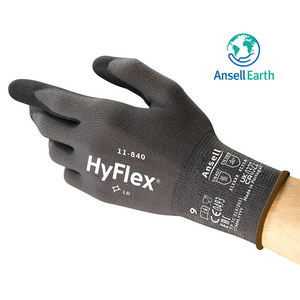

ANSELL 11-840 HYFLEX 4131A FORTIX NITRILE GLOVES GRY/BLK SIZE 9
- ansell:11-840 09
- rubix:80097335
- manufacturer :11840090
- ean:0076490475567
- In stock: Next day delivery
- Size:9
- Coating of the gloves:nitrile
- Abrasion resistance level:4


GISS 880359 QS-CUT PU CUT C GLOVE 4X43C SIZE 9
- Superseded Ref:861869
- giss:880359
- rubix:209A5431
- ean:3660338337765
- In stock: Next day delivery
- Size:9
- Coating of the gloves:polyurethane
- Abrasion resistance level:4
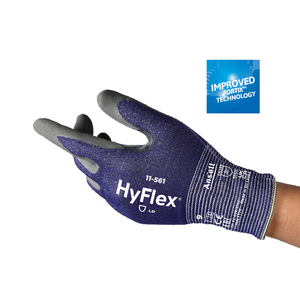
ANSELL HYFLEX 11-561 CUT NITRILE GLOVES 4X42C 9 L
- ansell:11561090
- rubix:232A1139
- manufacturer :11561090
- ean:10076490435377
- In stock: Next day delivery
- Type:glove
- Size:9
- Cutting resistance level:c
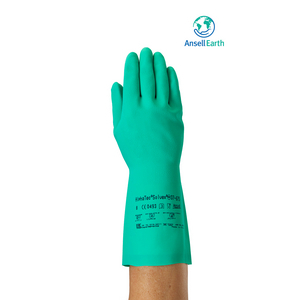
ANSELL 37-675 ALPHATEC SOLVEX FLOCKED SANDPATCH GLOVES GRN SIZE 9
- ansell:37675090
- rubix:326612
- manufacturer :37675090
- ean:0076490447298
- In stock: Next day delivery
- Size:9
- Length:330 mm
- Chemical protection value:jklopt
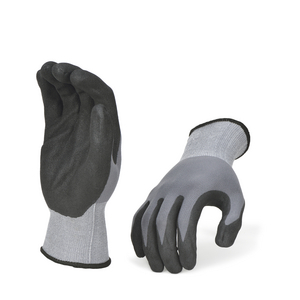
GISS 855070 G-NIT MAX NITRILE COATED MECHANICAL GLOVE 3131X SIZE 9
- Superseded Ref:6822336
- giss:855070
- rubix:200A3609
- ean:3660338105715
- In stock: Next day delivery
- Size:9
- Coating of the gloves:nitrile
- Abrasion resistance level:3
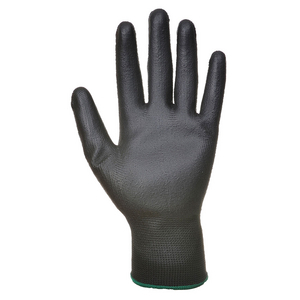

PORTWEST A120 GRIP13 PU PALM GLOVES 3131X BLACK M
- portwest:A120BKRM
- rubix:80072018
- manufacturer :A120BKRM
- ean:5036108210855
- In stock: Next day delivery
- Size:m
- Coating of the gloves:polyurethane
- Abrasion resistance level:3
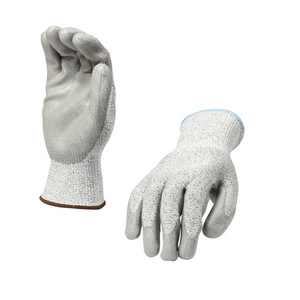
GISS 880366 QS-CUT PU CUT D GLOVE 4X43D SIZE 9
- giss:880366
- rubix:209A5437
- ean:3660338337826
- In stock: Next day delivery
- Type:glove
- Size:9
- Cutting resistance level:d
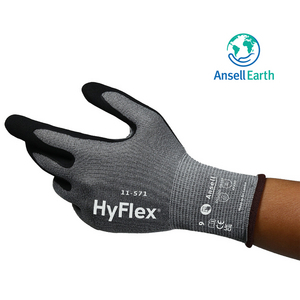
ANSELL HYFLEX 11-571 CUT NITRILE GLOVES 4X43D 9 L
- ansell:11-571-9
- rubix:259A0947
- manufacturer :11571090
- ean:0076490626570
- In stock: Next day delivery
- Type:glove
- Size:9
- Cutting resistance level:d
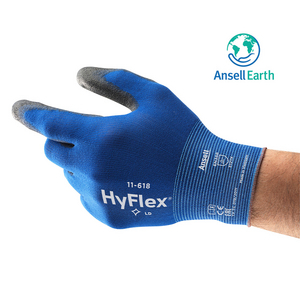
ANSELL 11-618 HYFLEX 3121X PU COATED GLOVES BLU/BLK SIZE 9
- ansell:11-618-9
- rubix:1471434
- manufacturer :11618090
- ean:0076490489458
- In stock: Next day delivery
- Size:9
- Coating of the gloves:polyurethane
- Abrasion resistance level:3
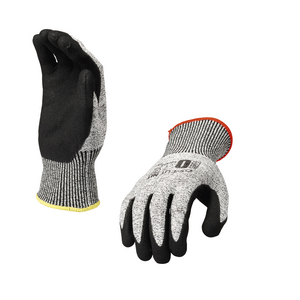
GISS 880374 QS-CUT NITRILE CUT D 4X43D SIZE 10
- Superseded Ref:861877
- giss:880374
- rubix:209A5444
- ean:3660338337895
- In stock: Next day delivery
- Type:glove
- Size:10
- Cutting resistance level:d
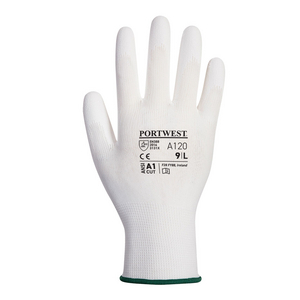
PORTWEST A120 GRIP13 PU PALM GLOVES 3131X WHITE L
- portwest:A120WHRL
- rubix:232A0504
- manufacturer :A120WHRL
- ean:5036108210725
- In stock: Next day delivery
- Size:l
- Coating of the gloves:polyurethane
- Abrasion resistance level:3
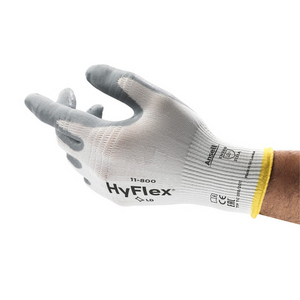
ANSELL 11-800 HYFLEX 3131A ZONZ NITRILE GLOVES WHT/GRY SIZE 9
- ansell:11-800 09
- rubix:326694
- manufacturer :11800090
- ean:0076490480882
- In stock: Next day delivery
- Size:9
- Coating of the gloves:nitrile
- Abrasion resistance level:3
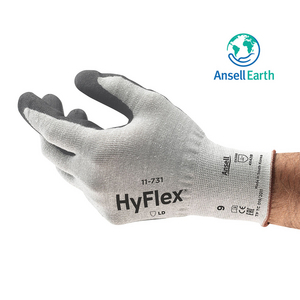
ANSELL HYFLEX 11-731 CUT PU LIGHT DUTY GLOVES 4X42B 8 M
- ansell:11-731-8
- rubix:2588489
- manufacturer :11731080
- ean:10076490055377
- In stock: Next day delivery
- Type:glove
- Size:8
- Cutting resistance level:b
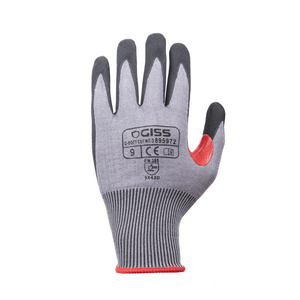
GISS 895973 G-SOFT CUT NIT D GLOVES 3X43D 18GG GREY 10
- giss:895973
- rubix:261A4342
- ean:3660338482861
- In stock: Next day delivery
- Type:glove
- Size:10
- Cutting resistance level:d
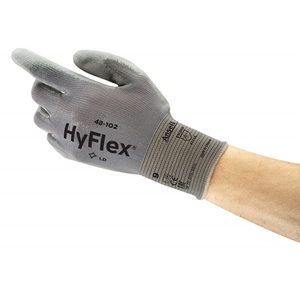
ANSELL 48-102 HYFLEX 4121A PU PALM COATED GLOVES GRY SIZE 9
- ansell:48-102 09
- rubix:2527017
- manufacturer :48102090
- ean:0076490446826
- In stock: Next day delivery
- Size:9
- Coating of the gloves:polyurethane
- Abrasion resistance level:4
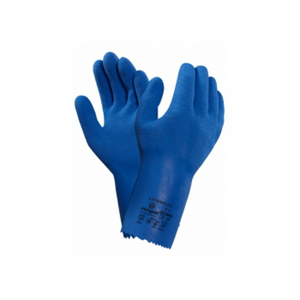
ANSELL 87-029 ALPHATEC NATURAL RUBBER LATEX GAUNTLETS BLUE SIZE 10
- ansell:87-029-10
- rubix:210A6803
- manufacturer :87029100
- ean:10076490443211
- In stock: Next day delivery
- Size:10
- Length:300 mm
- Chemical protection value:aklmpt
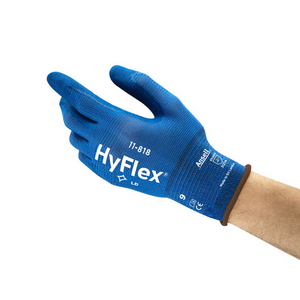
ANSELL 11-818 HYFLEX 2121A FORTIX NITRILE GLOVES BLUE SIZE 9
- ansell:11-818-9
- rubix:80129901
- manufacturer :11818090
- ean:0076490478544
- In stock: Next day delivery
- Size:9
- Coating of the gloves:nitrile
- Abrasion resistance level:3
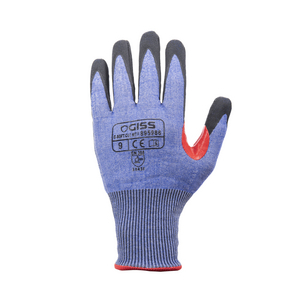
GISS 895986 G-SOFT CUT NIT F GLOVES 3X43F 18GG BLUE 9
- giss:895986
- rubix:261A4353
- ean:3660338482977
- In stock: Next day delivery
- Type:glove
- Size:9
- Cutting resistance level:f

GISS 880422 GLOVE G-CHEM ULTRA SIZE 9 UE12
- giss:880422
- rubix:216A6458
- ean:3660338338304
- In stock: Next day delivery
- Size:9
- Length:320 mm
- Chemical protection value:ajklmno
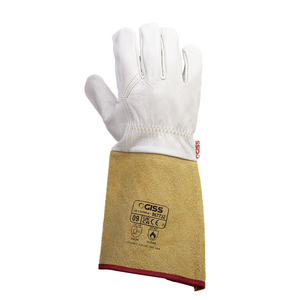
GISS 867733 G-WELD TIG PREMIUM WELDING GAUNTLET GOAT LEATHER SIZE 10
- giss:867733
- rubix:200A3698
- ean:3660338216572
- In stock: Next day delivery
- Size:10
- Thermal performance level (EN 407):41xx4x
- Main material:leather
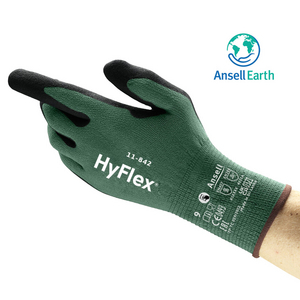
ANSELL HYFLEX 11-842 MULTIPURPOSE FOAM NITRILE GLOVES 4131A 9 L
- ansell:11-842-9
- rubix:239A1003
- manufacturer :11842090
- In stock: Next day delivery
- Size:9
- Coating of the gloves:nitrile
- Abrasion resistance level:4
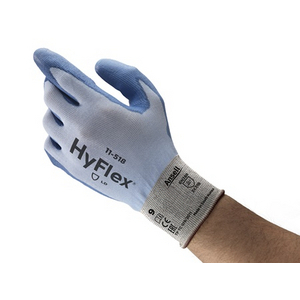
ANSELL 11-518 HYFLEX 3X31B DYNEEMA PU COATING GLOVES BLUE SIZE 9
- ansell:11-518-9
- rubix:45009953
- manufacturer :11518090
- ean:0076490478605
- In stock: Next day delivery
- Type:glove
- Size:9
- Cutting resistance level:b
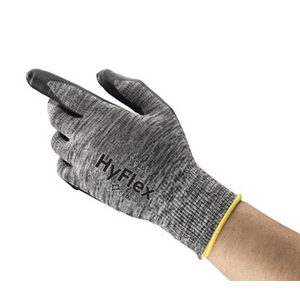
ANSELL 11-801 HYFLEX 3131A ZONZ NITRILE GLOVES GRY/BLK SIZE 9
- ansell:11-801 09
- rubix:1471438
- manufacturer :11801090
- ean:0076490491819
- In stock: Next day delivery
- Size:9
- Coating of the gloves:nitrile
- Abrasion resistance level:3
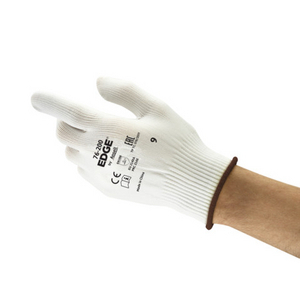
ANSELL EDGE 76-200 MULTIPURPOSE NYLON GLOVES 214XA 9 L
- ansell:76-200-9
- rubix:4508954
- manufacturer :76200090
- ean:0076490440343
- In stock: Next day delivery
- Size:9
- Coating of the gloves:without
- Abrasion resistance level:1